
Costa Rica Coffee: From Bean to Cup
Aug 27, 2025
1 min read
Costa Rica isn’t just paradise for beaches and wildlife — it’s also a coffee lover’s dream. With its volcanic soil, perfect altitude, and tropical climate, the country produces some of the best Arabica coffee in the world.
A Bit of History
Coffee was introduced in Costa Rica in the 18th century and quickly became a major export. Today, it’s not just a crop — it’s part of the national identity.
Coffee Regions in Costa Rica
Each region produces coffee with unique flavor notes:
Central Valley: Mild and balanced, near San José.
Tarrazu: Known for strong, full-bodied, slightly fruity coffee.
West Valley: Smooth with chocolatey undertones.
Guanacaste: Drier climate, lighter beans with nutty notes.
Caribbean Coast: Rich, earthy flavors with lower acidity.
How Coffee Is Grown
Only Arabica beans are grown commercially.
Hand-picked for quality and sorted meticulously.
Often grown on family-run plantations, providing a local, authentic experience.
Coffee Tours & Experiences
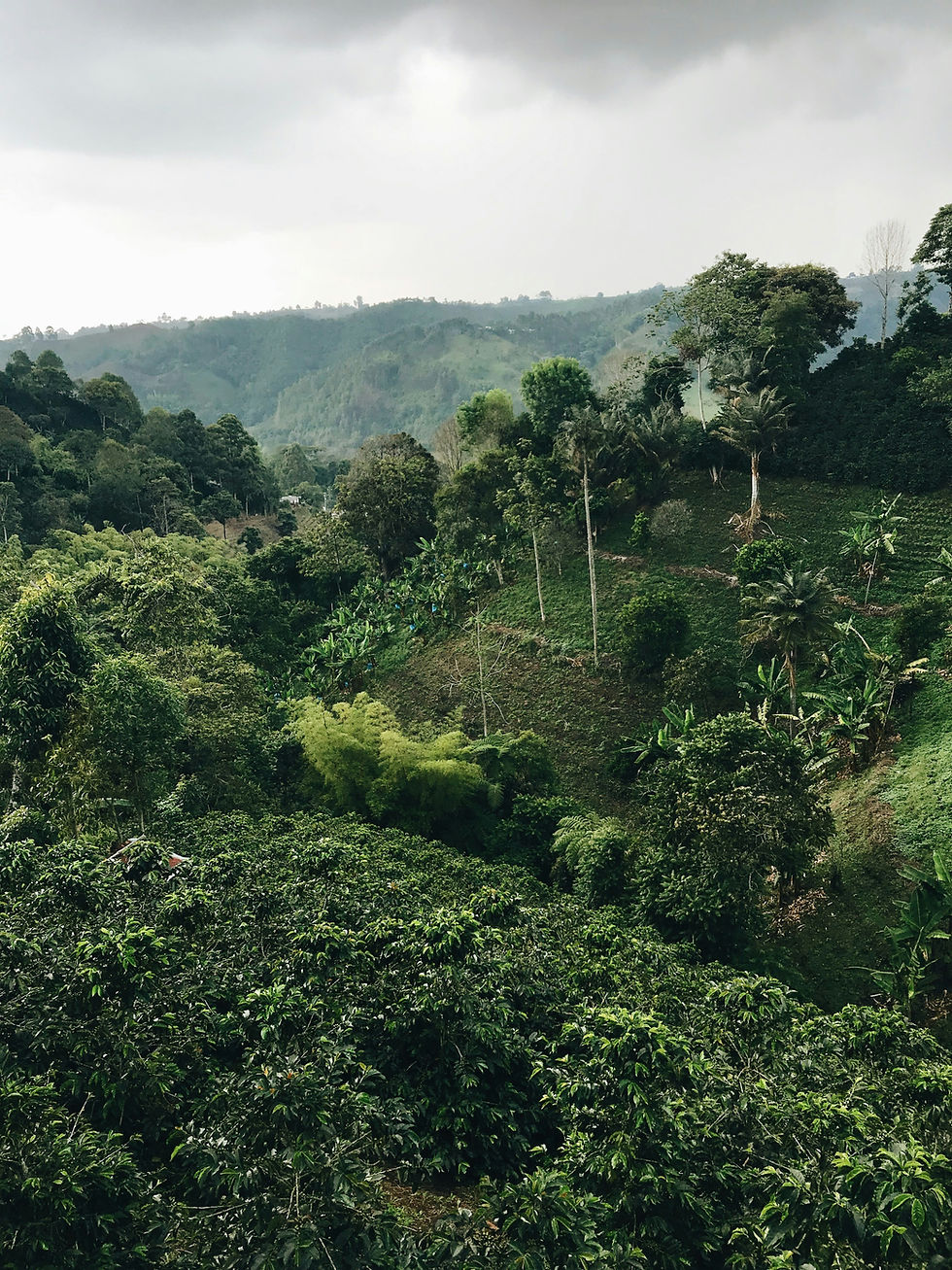
Tourists can visit coffee plantations for:
Guided walks through the fields.
Learning traditional roasting methods.
Tasting freshly brewed coffee.
Buying specialty blends directly from the farm.
Brewing Costa Rican Coffee
Traditional method: Boiling coffee in a metal pot, often served black or with milk.
Specialty brewing: Pour-over or French press in modern cafés.
Always enjoy with pura vida spirit — savor, relax, and chat with locals.
Why Coffee Matters for Tourists
Cultural insight: Learn how coffee shaped Costa Rica’s economy and lifestyle.
Unique souvenirs: High-quality beans make perfect gifts.
Experiential tourism: Hands-on tours create unforgettable memories.
Let Your Local Amigos plan a coffee-focused itinerary, including plantation tours, tastings, and the best cafés in the country, so you can experience Costa Rica like a true coffee connoisseur.


Comments