
Indigenous Tribes of Costa Rica
Aug 27, 2025
1 min read
Indigenous Tribes of Costa Rica: Culture, History & Where to Visit
Costa Rica is known for its beaches and biodiversity, but one of the most fascinating aspects of the country is its indigenous heritage. While only about 2.4% of Costa Rica’s population identifies as indigenous, their traditions, languages, and communities are still alive and thriving.
Who Are Costa Rica’s Indigenous Peoples?
There are eight recognized indigenous groups in Costa Rica:
Bribri – Found in Talamanca, known for cacao traditions.
Cabécar – Largest group, living deep in the mountains of Limón.
Maleku – Small community in Alajuela, known for preserving their language.
Ngäbe (Guaymí) – Along the southern border with Panama.
Boruca – Famous for their colorful masks and annual Juego de los Diablos.
Térraba (Teribe) – Located in Puntarenas, linked to Panama’s Teribe people.
Chorotega – Once dominant in Guanacaste, still known for pottery traditions.
Huetar – Central Valley heritage, language lost but traditions preserved.
Cultural Traditions
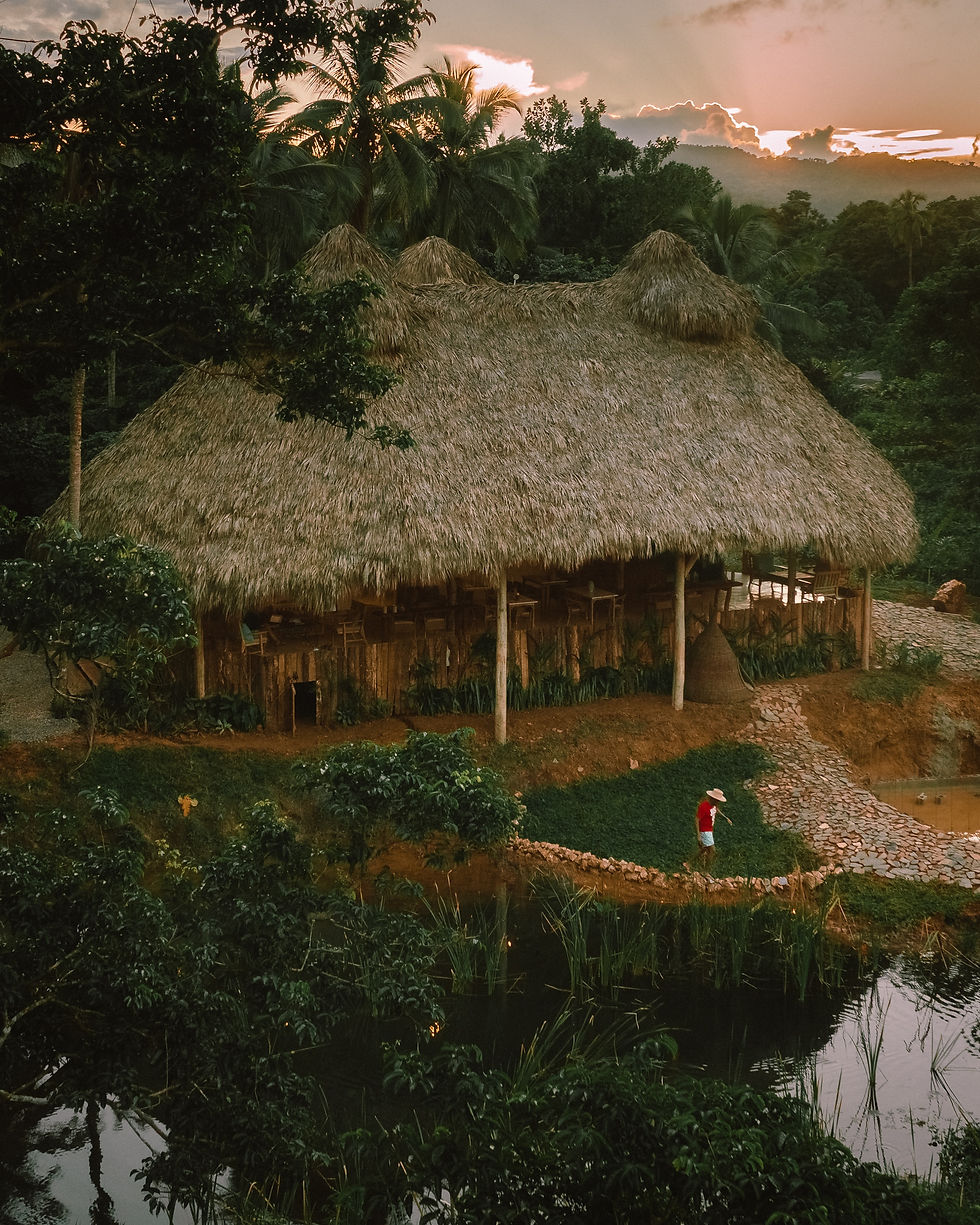
Languages: Several tribes still speak their native languages, like Bribri, Cabécar, and Maleku.
Crafts: Boruca masks and Chorotega pottery are world-renowned.
Spirituality: Strong ties to nature, cacao rituals, and ancestral medicine.
Where to Experience Indigenous Culture Respectfully
Boruca Community Tours – Learn mask carving and history.
Bribri Villages in Talamanca – Experience cacao-making and traditional life.
Maleku Reserve (Alajuela) – Cultural centers that preserve language and customs.
If you want to experience Costa Rica beyond the beaches, Your Local Amigos can connect you with authentic community tours that support these indigenous families directly.


Comments